

Face Filler Gallery
$$MultiPurposeText$$
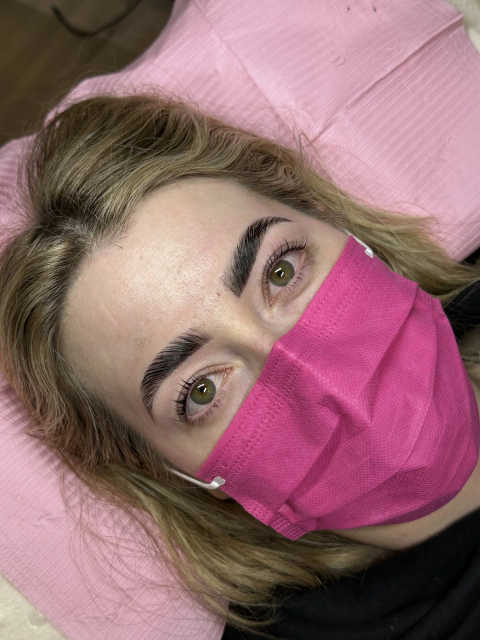
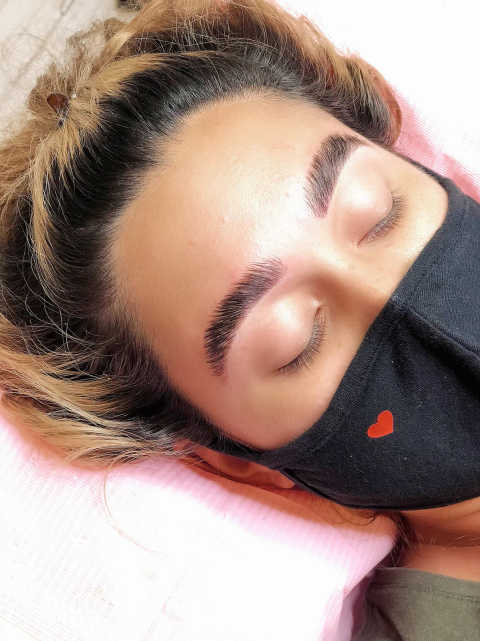
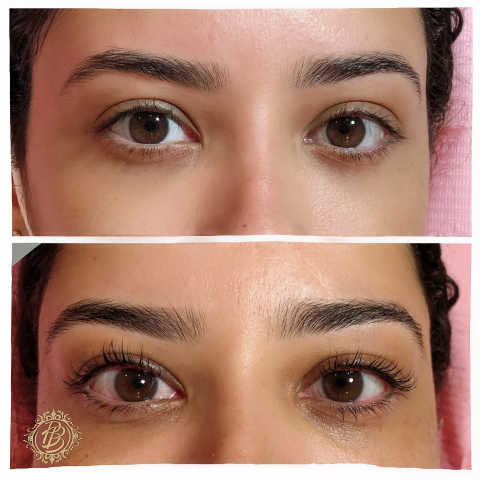
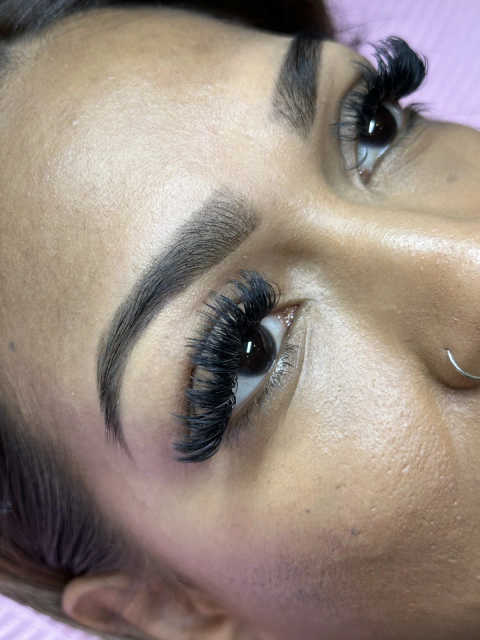
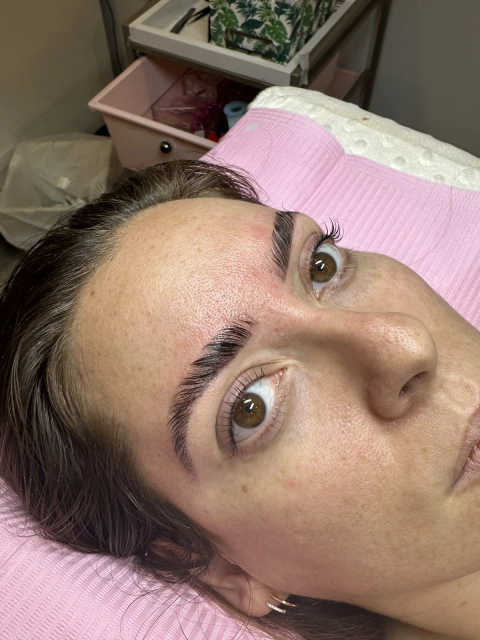
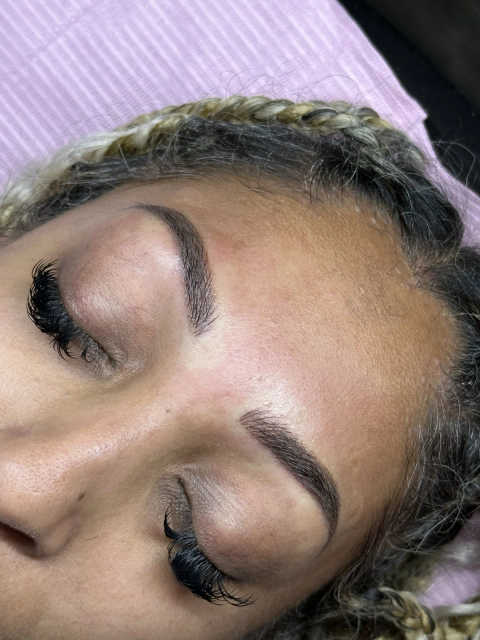
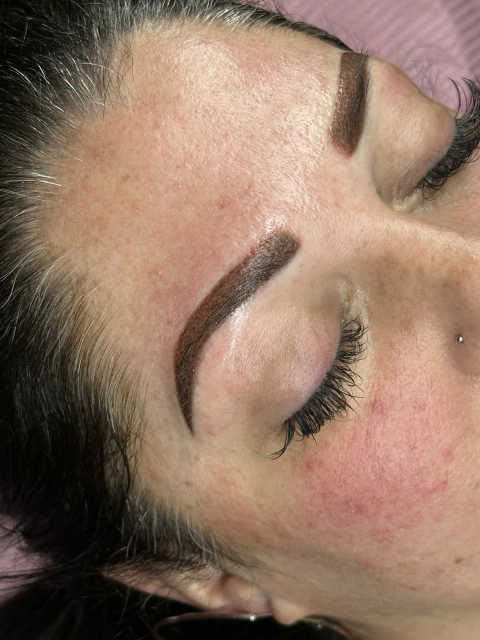
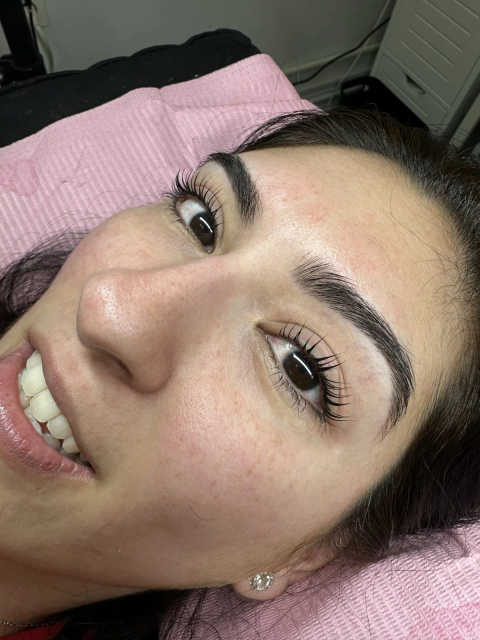
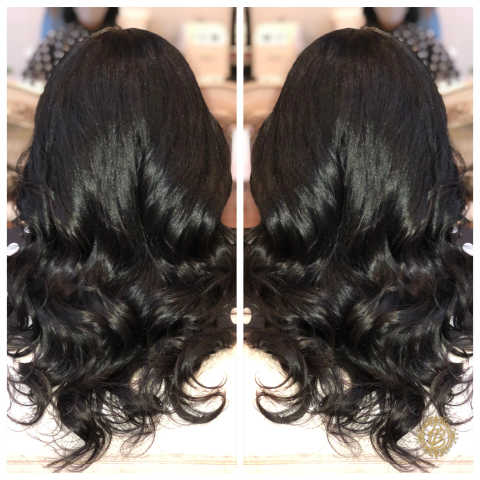
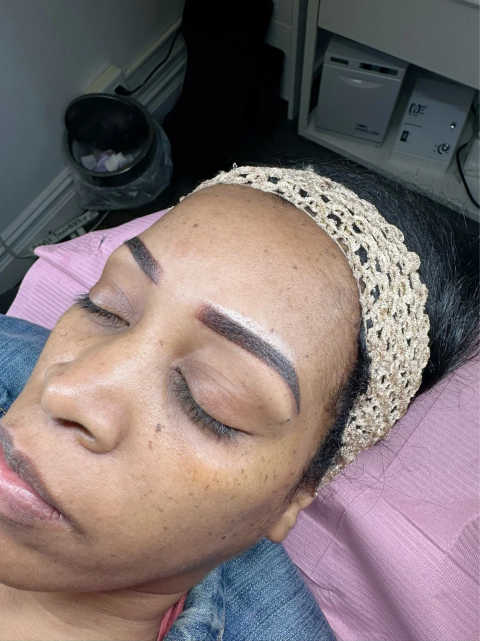
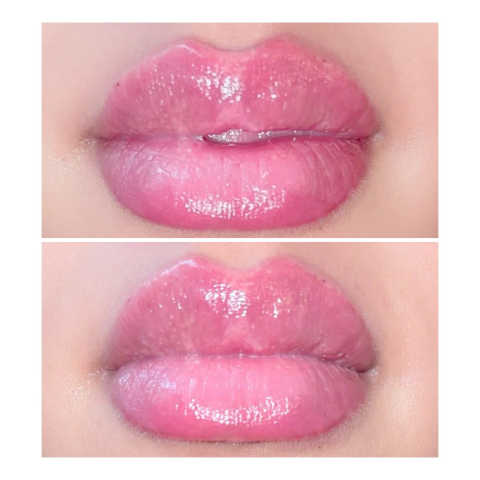
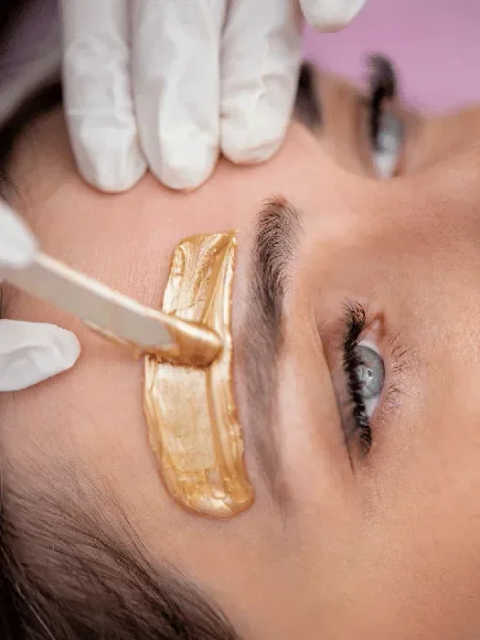
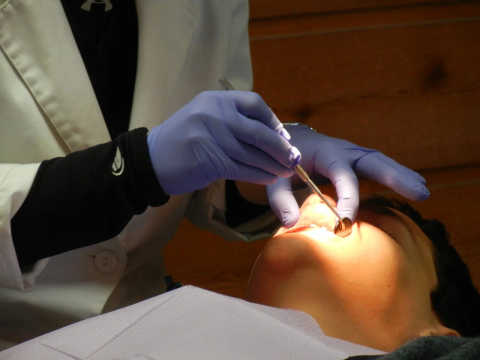
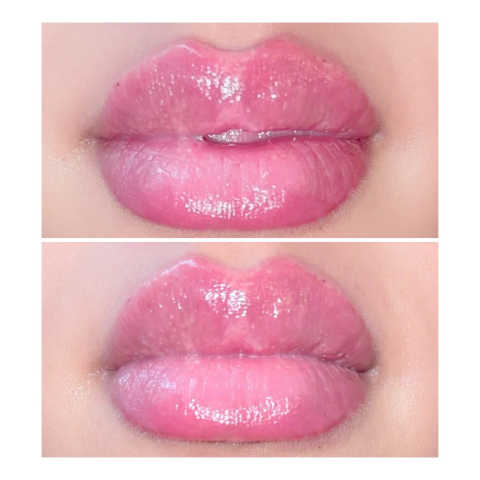
See examples of our Face Filler work and results.
















What Our Clients Say
$$MultiPurposeText$$
Read testimonials from our satisfied customers

Brows and beauty always exceeds my expectations. As a busy mom my schedule is always all o...more

Amazing studio and staff! Every single appointment feels personal, never rushed, and alway...more

I love love eliana ! She makes me feel like a queen and after having so many of my lashes ...more

Eliana and Des are phenomenal lash techs! I absolutely love going to my lash appointments!...more

I came here today to get my eyebrows waxed, I was very nervous that they would end up too ...more

Desiree is the best she is fast And efficient. She provide excellent customer service. My ...more

Frequently Asked Questions
Get answers to common questions about Face Filler.
Duration varies by filler type, treatment area, and metabolism; most patients enjoy results six to eighteen months. Hyaluronic acid fillers often last 9-12 months, while denser products can persist longer. Your provider recommends timing for touch-ups based on individual response.
Most clients feel mild pressure or brief stinging. Topical numbing cream and local anesthetic within many filler formulas significantly reduce discomfort. Your practitioner will ensure comfort, adjust techniques, and discuss pain control options before starting the procedure.
Temporary side effects can include swelling, redness, bruising, tenderness, and minor lumps. These typically resolve within days to two weeks. Serious complications are rare; follow post-care instructions and contact us for unusual pain, prolonged swelling, or signs of infection.
Immediate improvement is often visible right after treatment, particularly for volume restoration. Final results settle over two weeks as swelling subsides and the filler integrates. Your provider schedules follow-up to assess outcomes and perform any minor adjustments if needed.
Good candidates seek to restore volume, soften wrinkles, or enhance contours without major surgery. Not suitable if pregnant, breastfeeding, or with active skin infections, certain autoimmune conditions, or allergy to filler ingredients. A consultation evaluates your health and goals.
Avoid blood-thinning medications, supplements like aspirin, ibuprofen, vitamin E, and fish oil for about one week unless directed otherwise. Skip alcohol and intense exercise 24-48 hours prior. Arrive with clean skin and discuss medical history and expectations during your consultation.