

PRP Hair Loss Treatment Gallery
$$MultiPurposeText$$
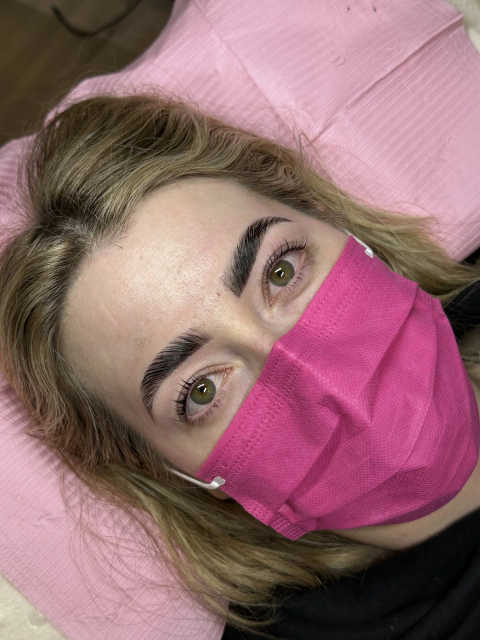
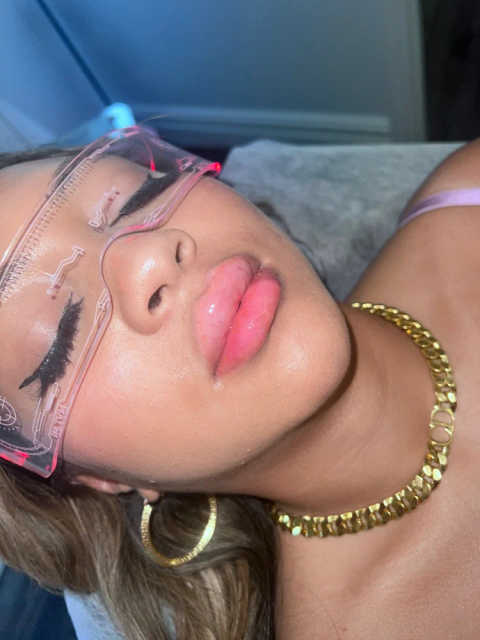
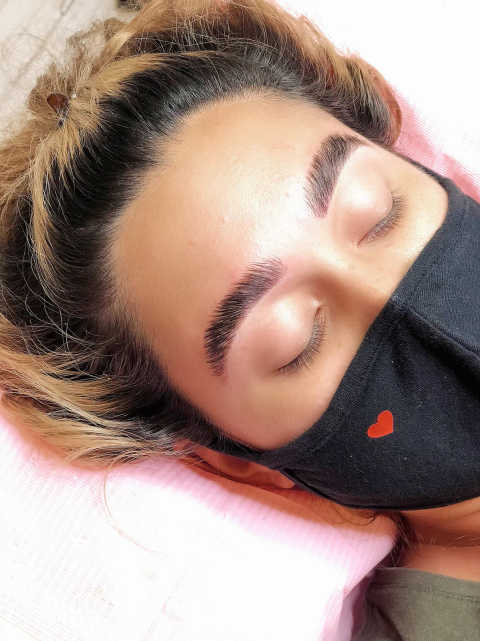
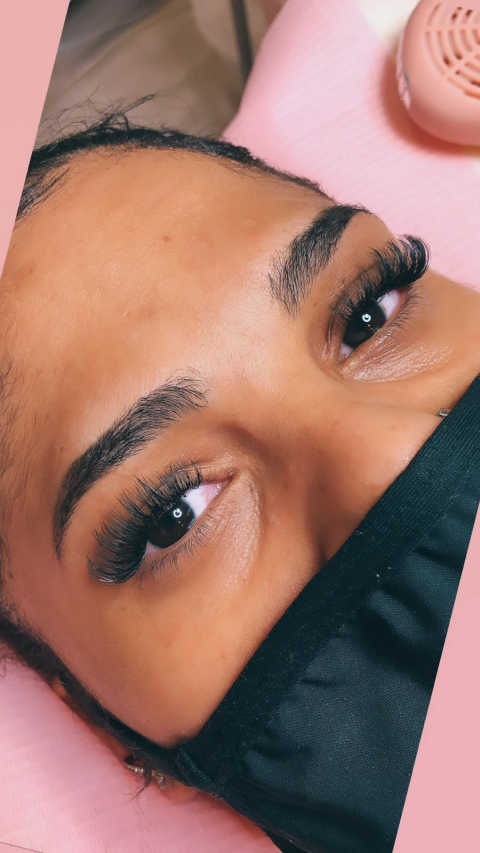
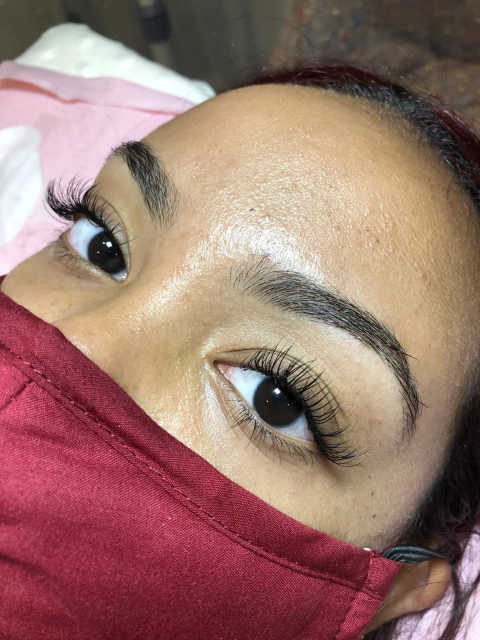
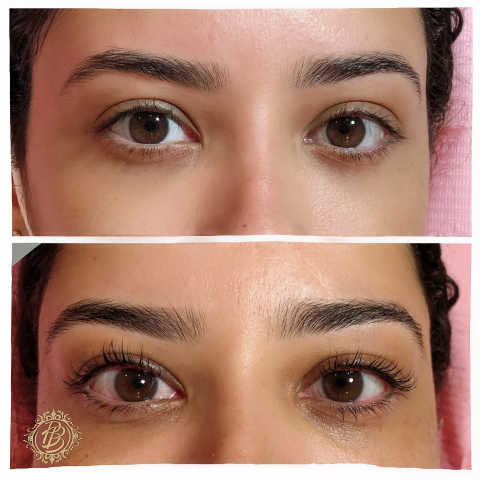
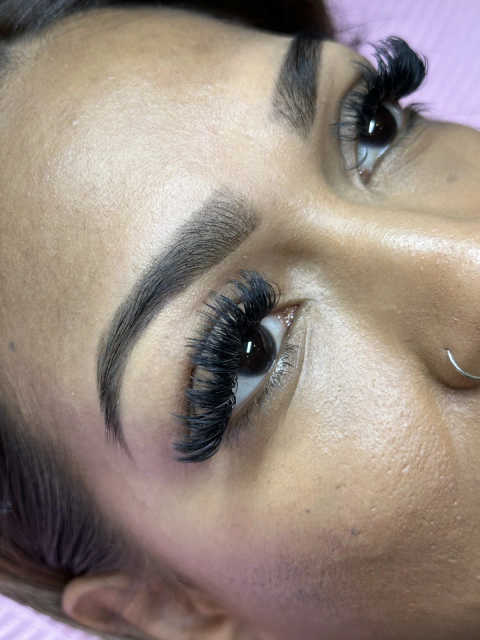
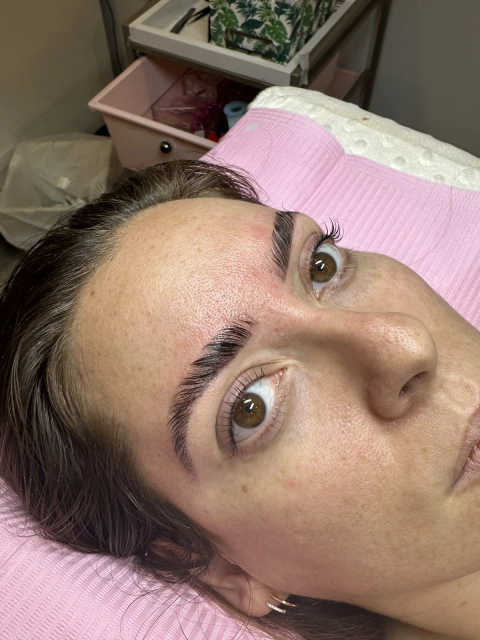
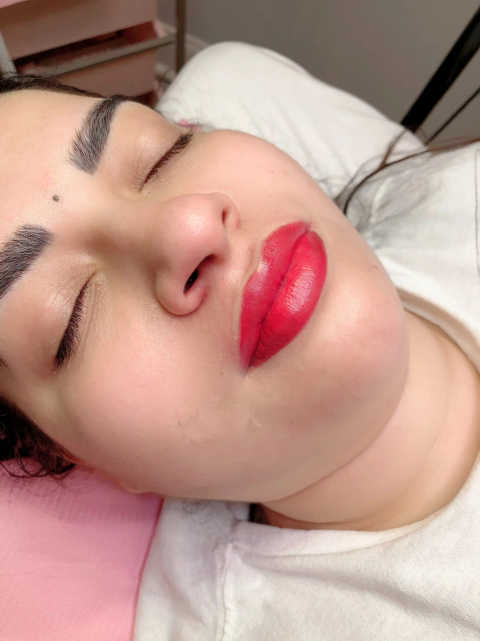
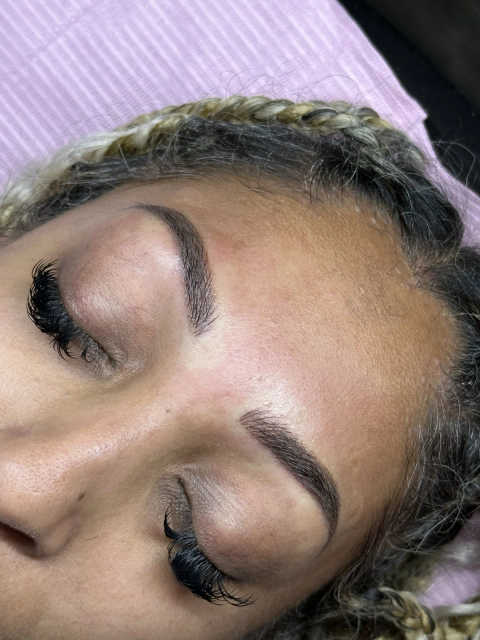
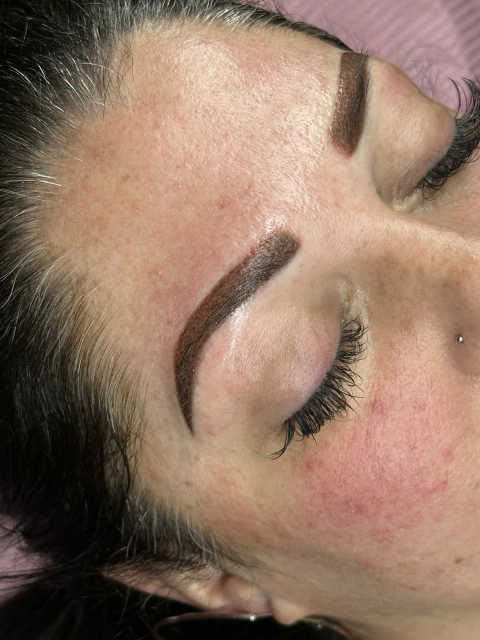
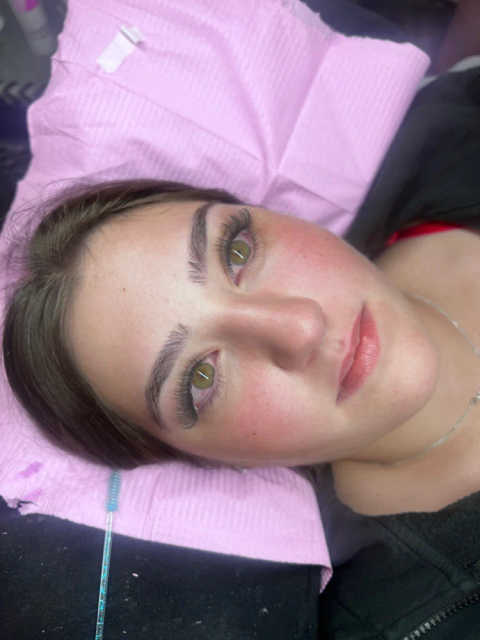
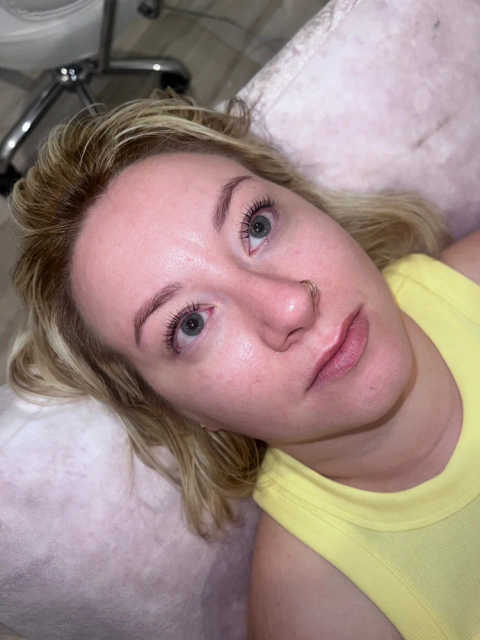
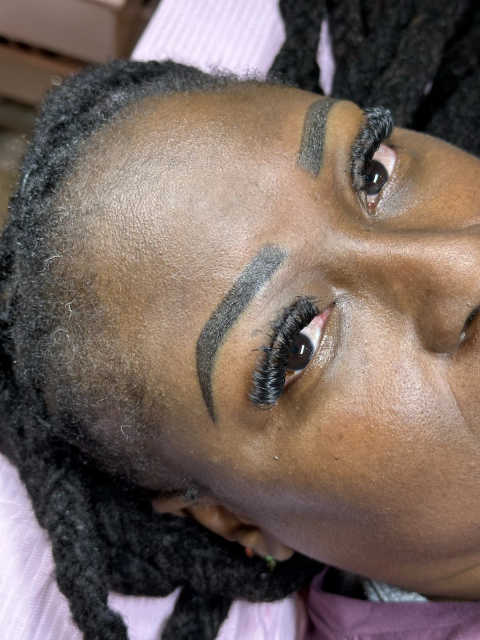
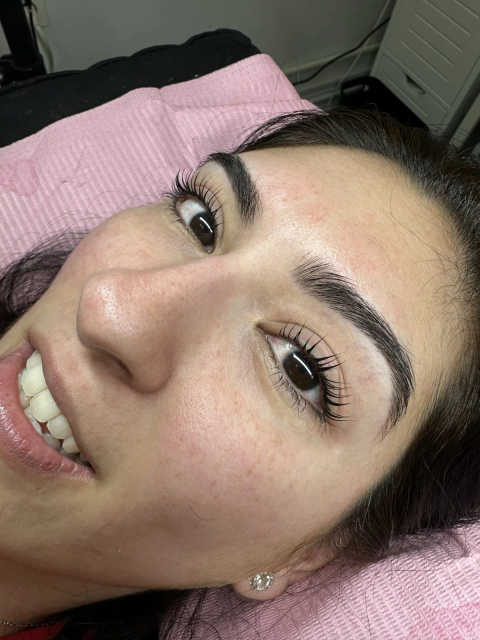
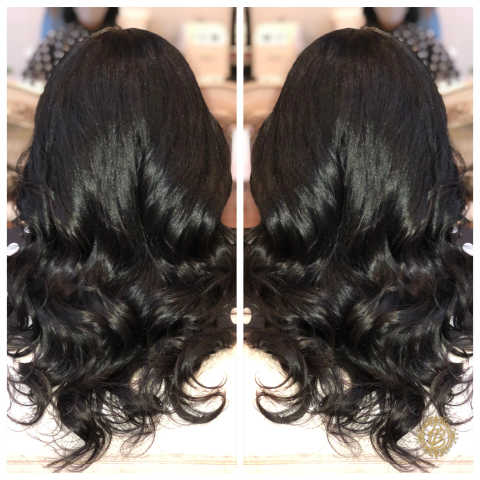
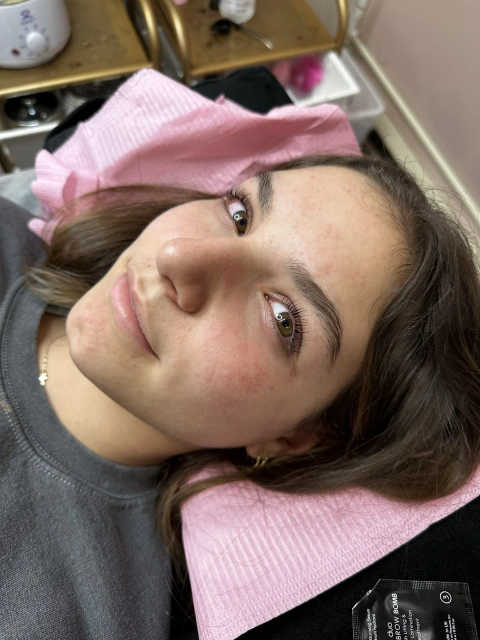
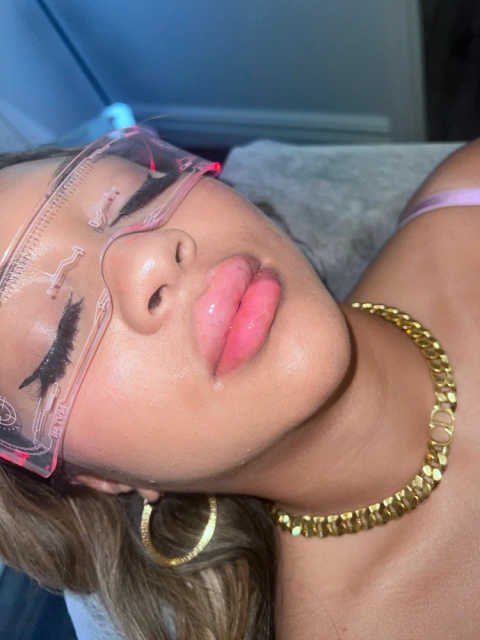
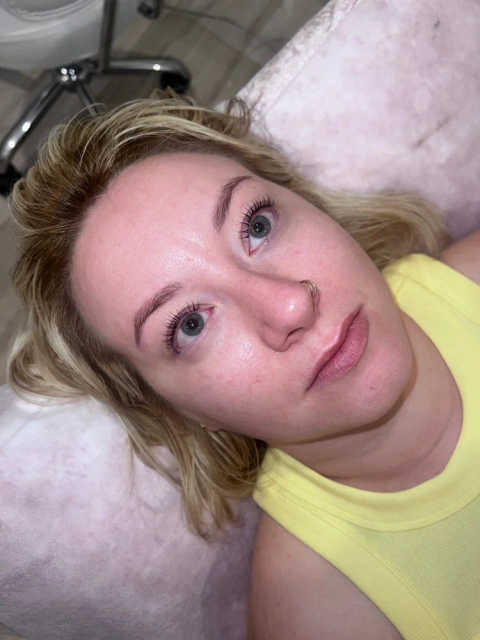
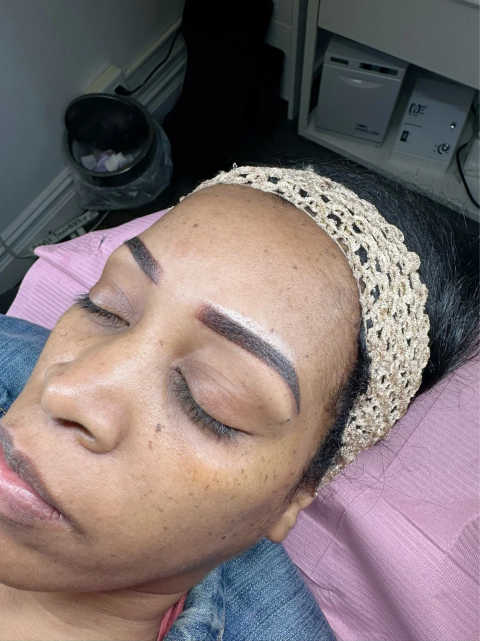
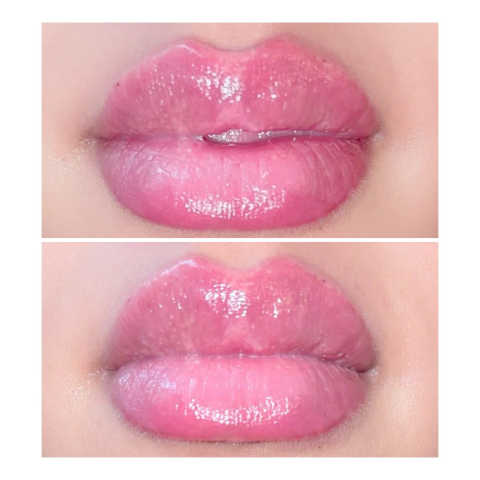
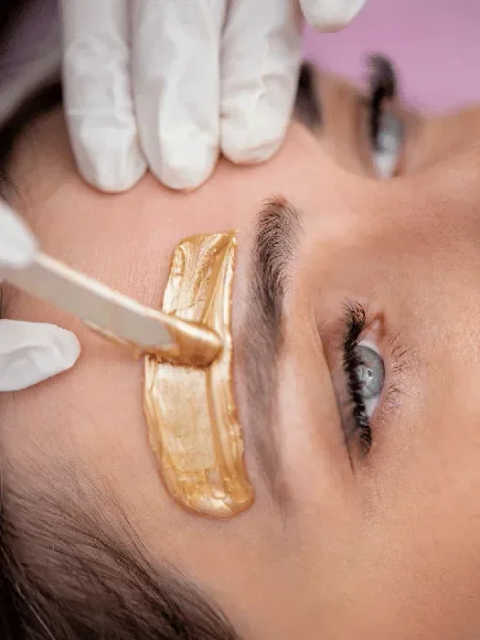
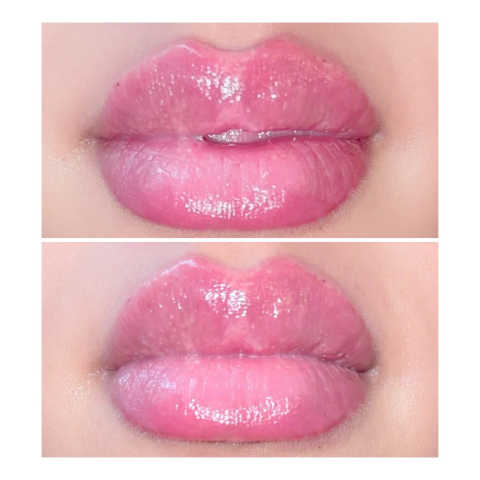
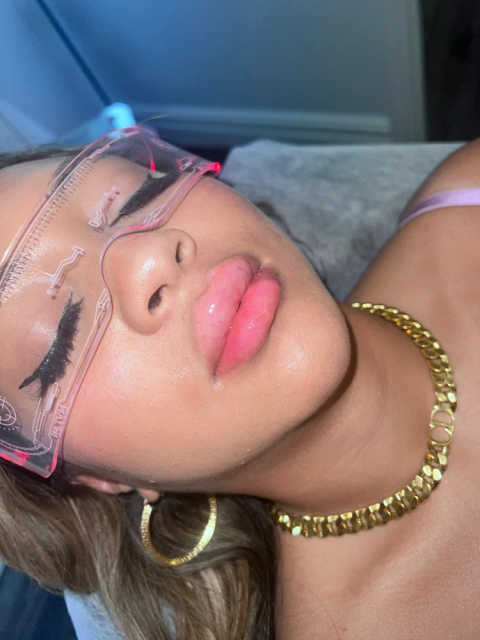
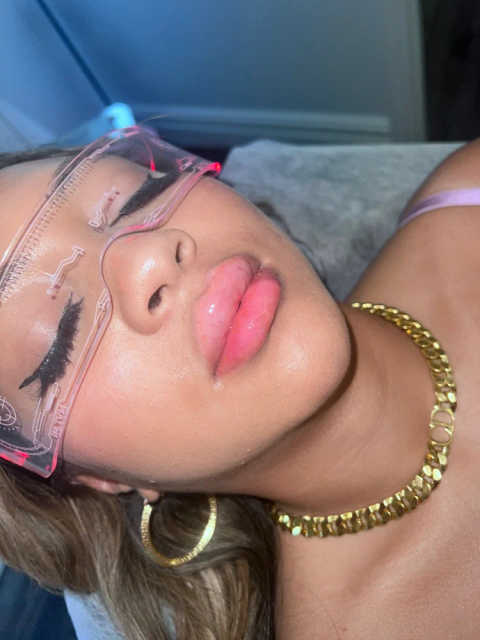
See examples of our PRP Hair Loss Treatment work and results.

What Our Clients Say
$$MultiPurposeText$$
Read testimonials from our satisfied customers

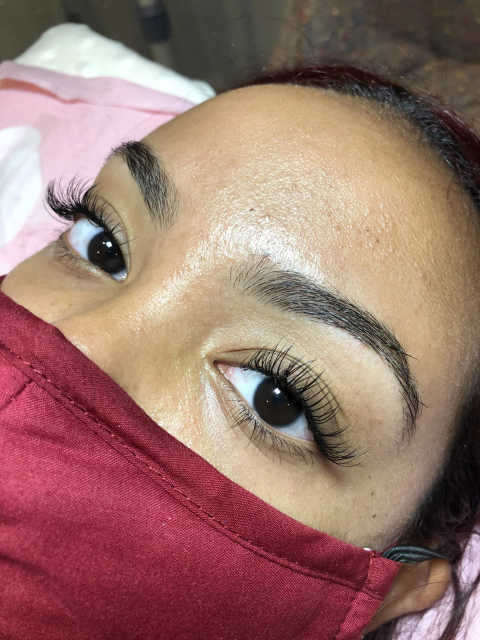
Brows and beauty always exceeds my expectations. As a busy mom my schedule is always all o...more

Amazing studio and staff! Every single appointment feels personal, never rushed, and alway...more

I love love eliana ! She makes me feel like a queen and after having so many of my lashes ...more

Eliana and Des are phenomenal lash techs! I absolutely love going to my lash appointments!...more

I came here today to get my eyebrows waxed, I was very nervous that they would end up too ...more

Desiree is the best she is fast And efficient. She provide excellent customer service. My ...more

Frequently Asked Questions
Get answers to common questions about PRP Hair Loss Treatment.
PRP uses a concentrated sample of your platelets from blood drawn and centrifuged, then injected into the scalp. Growth factors in PRP stimulate dormant follicles, improving hair thickness and promoting new growth over multiple months and sessions.
We generally recommend a series of three sessions spaced four to six weeks apart, then maintenance treatments every 4–6 months. Individual plans may vary based on hair loss severity and response to therapy; packages are available for cost savings.
PRP is autologous—using your own blood—reducing allergy and rejection risk. It's generally safe for healthy individuals, though certain conditions, medications, or infections may contraindicate treatment. A medical evaluation and consultation at Brows & Beauty of Hewlett will determine suitability.
Initial improvement can appear within two to three months, with more noticeable thickening after three to six months. Optimal results often require completing the recommended three-session series and continued maintenance, as hair growth responds gradually to the therapy.
Most clients report only mild discomfort during injections; topical numbing minimizes sensation. Downtime is minimal — some redness or tenderness can last a day or two. Normal activities may be resumed quickly, and we provide aftercare guidance.
Side effects are usually mild and temporary, like swelling, bruising, or scalp tenderness. Rare complications include infection or poor response. Our clinicians follow strict sterile technique and review medical history to minimize risks and monitor results across sessions.