

Intralipotherapy Tummy Area Gallery
$$MultiPurposeText$$
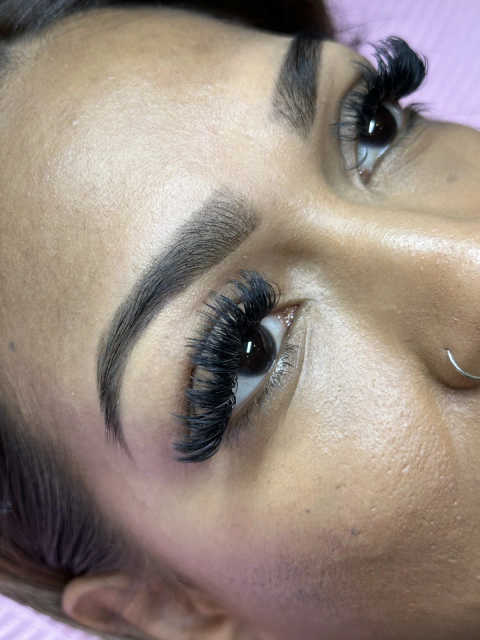
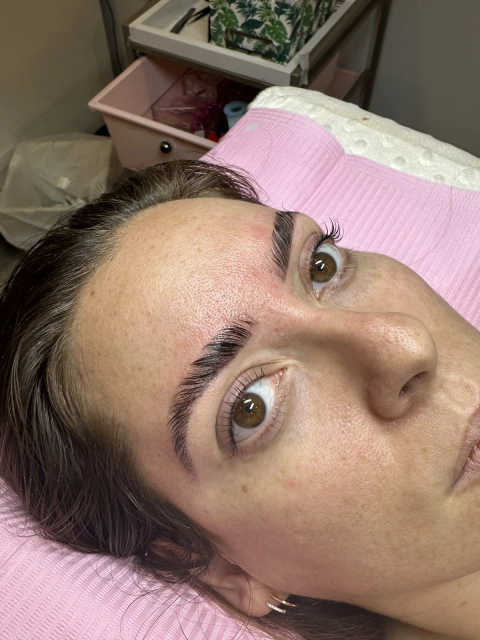
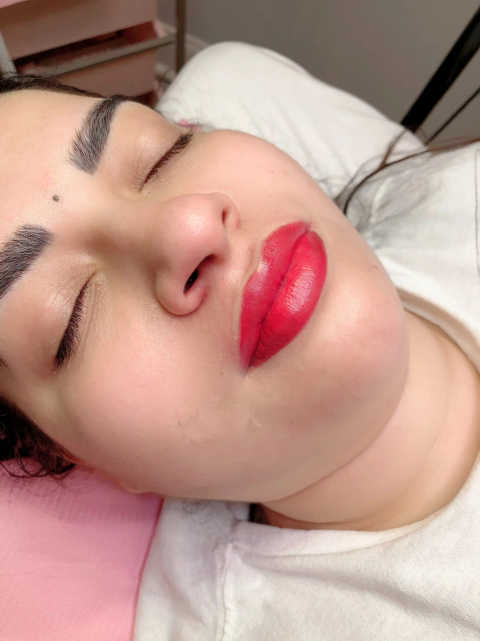
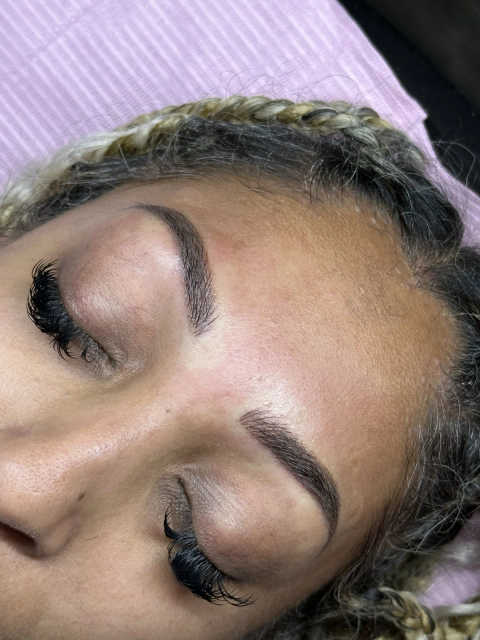
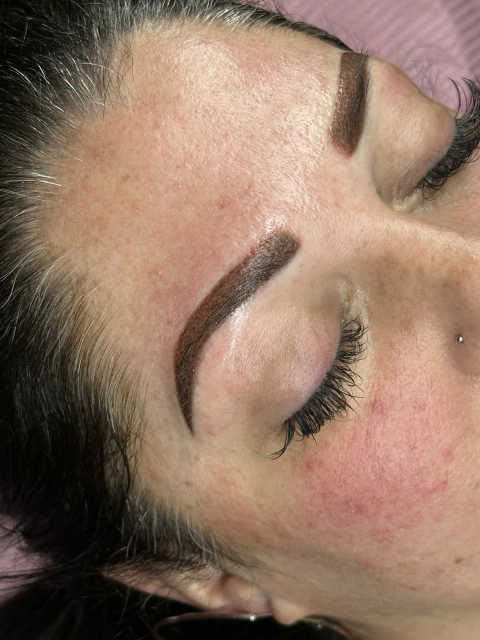
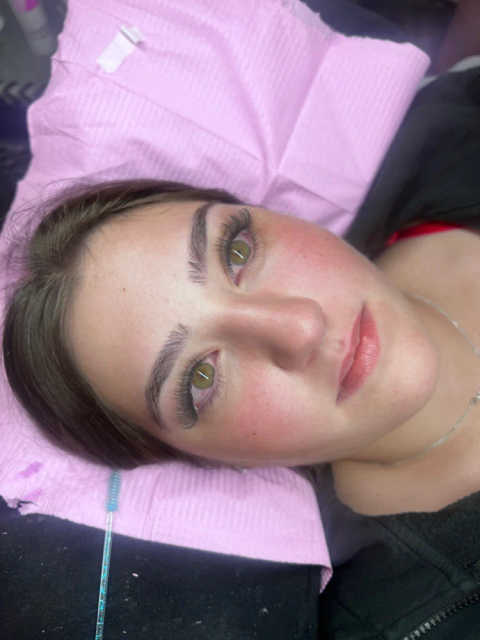
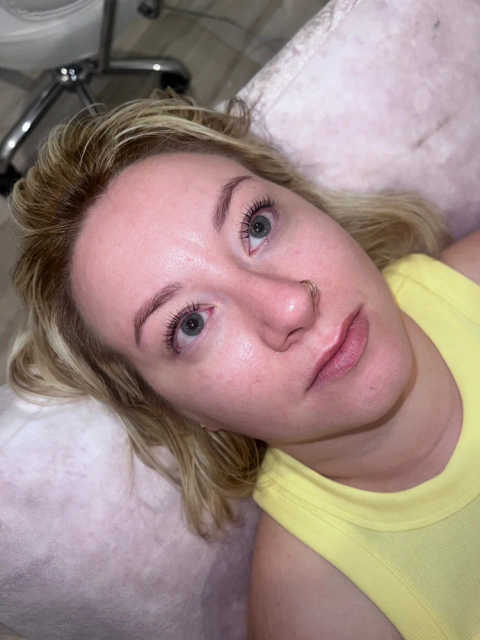
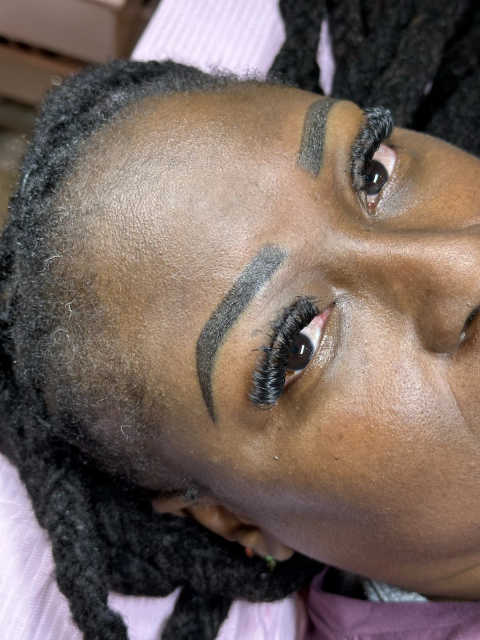
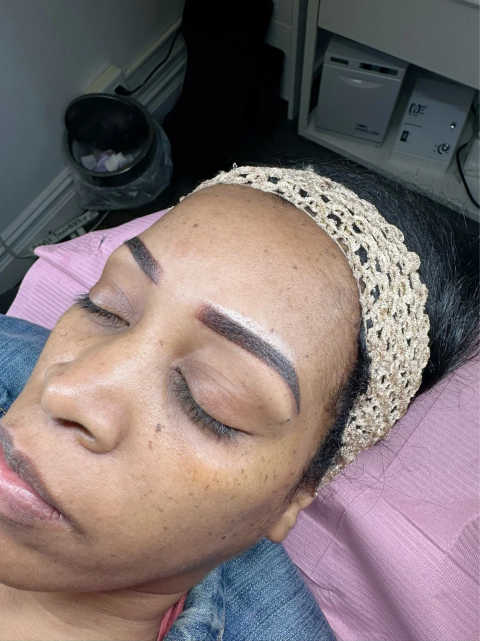
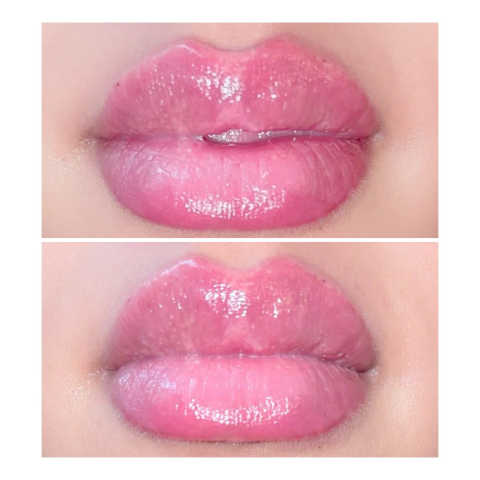
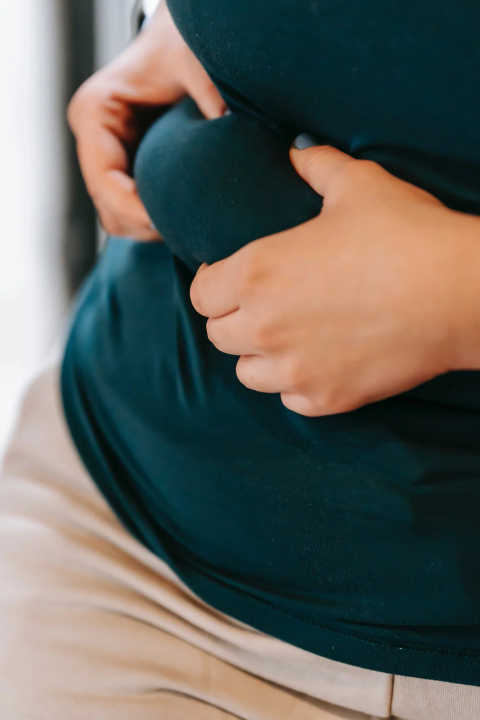
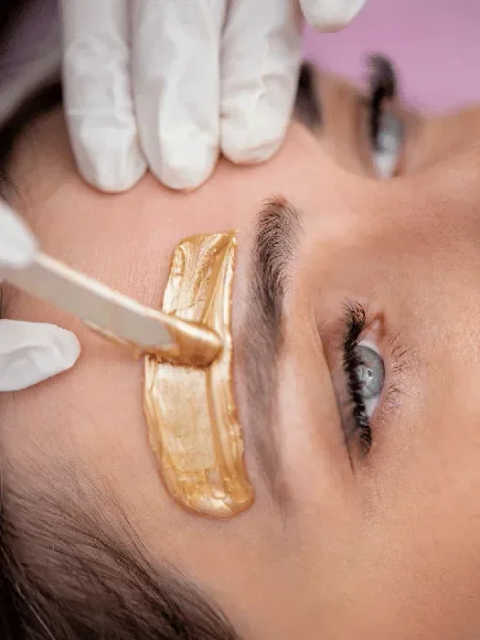
See examples of our Intralipotherapy Tummy Area work and results.







What Our Clients Say
$$MultiPurposeText$$
Read testimonials from our satisfied customers

Brows and beauty always exceeds my expectations. As a busy mom my schedule is always all o...more

Amazing studio and staff! Every single appointment feels personal, never rushed, and alway...more

I love love eliana ! She makes me feel like a queen and after having so many of my lashes ...more

Eliana and Des are phenomenal lash techs! I absolutely love going to my lash appointments!...more

I came here today to get my eyebrows waxed, I was very nervous that they would end up too ...more

Desiree is the best she is fast And efficient. She provide excellent customer service. My ...more

Frequently Asked Questions
Get answers to common questions about Intralipotherapy Tummy Area.
Intralipotherapy for the tummy uses deoxycholic acid injections to break down and absorb fat cells. Treatments are performed in-office, target localized deposits, and results develop gradually over multiple sessions. A consultation determines candidacy, treatment plan, and expected outcomes.
Most patients need 6 to 10 sessions spaced several weeks apart to achieve maximum reduction. Treatment intervals and total sessions depend on fat volume, response, and treatment area. Your provider will create a personalized schedule during consultation.
Discomfort is usually mild; we apply topical anesthetic and may use ice during treatment. Expect swelling, bruising, and tenderness for several days to weeks. Most clients resume normal activities quickly, but avoid strenuous exercise for 48–72 hours or as advised by your clinician.
Ideal candidates are adults near their target weight with localized abdominal fat resistant to diet and exercise, good skin tone, and realistic expectations. Not suitable for pregnancy, breastfeeding, or certain medical conditions; medical history and exam determine suitability.
Common side effects include swelling, bruising, redness, tenderness, and temporary numbness at injection sites. Rare but more serious risks include infection, prolonged nerve irritation, or uneven contours. Most effects resolve within days to weeks; follow-up ensures proper healing and management.
Initial changes may appear within weeks as swelling subsides, but meaningful fat reduction becomes visible after several sessions. Optimal contouring typically appears after completing 6–10 treatments and may continue improving for several months following the final session.