

Scar Camouflage (Small Area) Gallery
$$MultiPurposeText$$
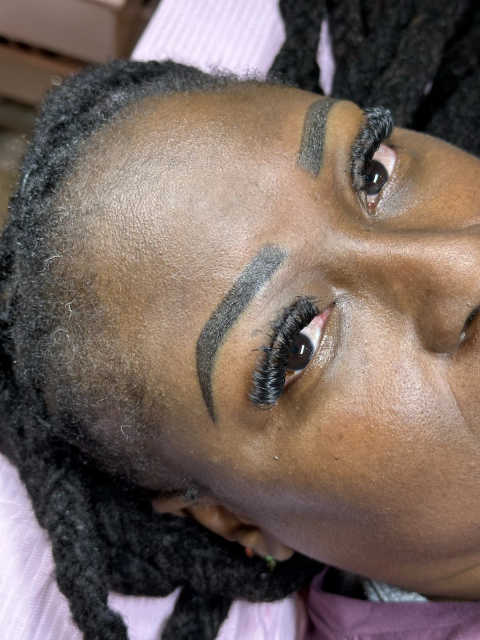
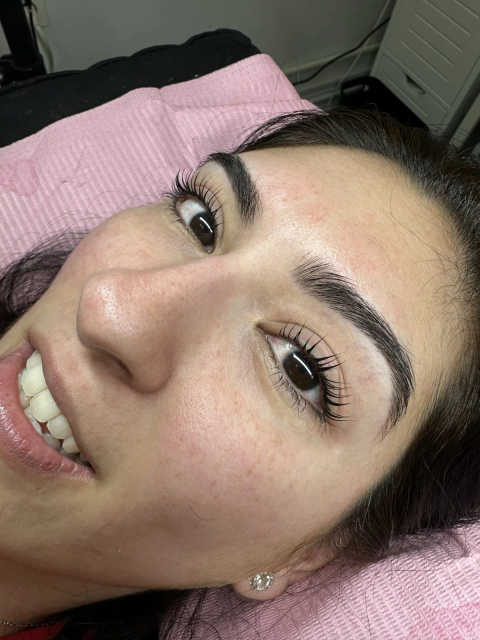
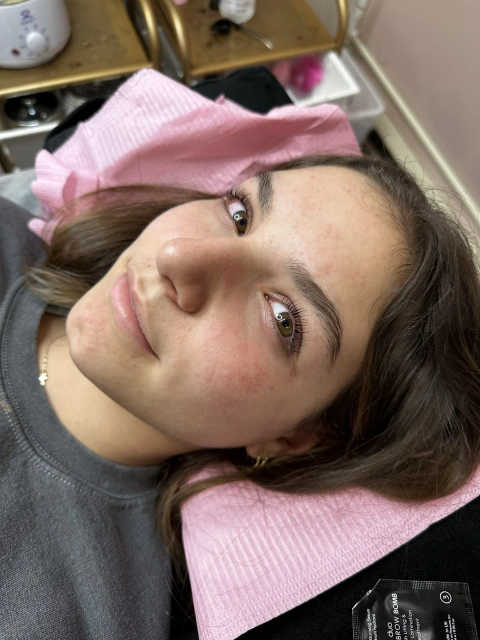
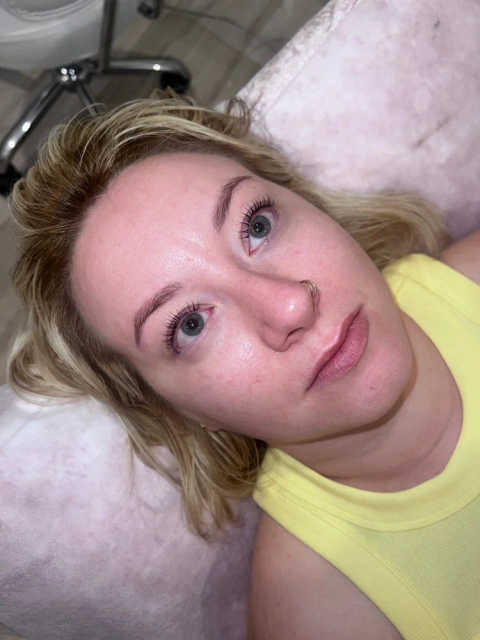
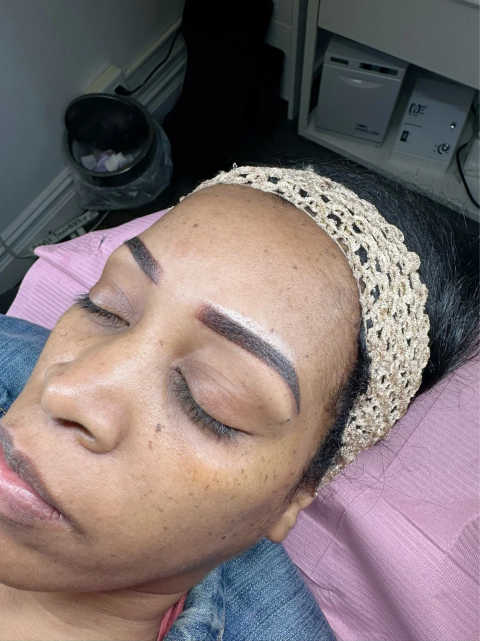
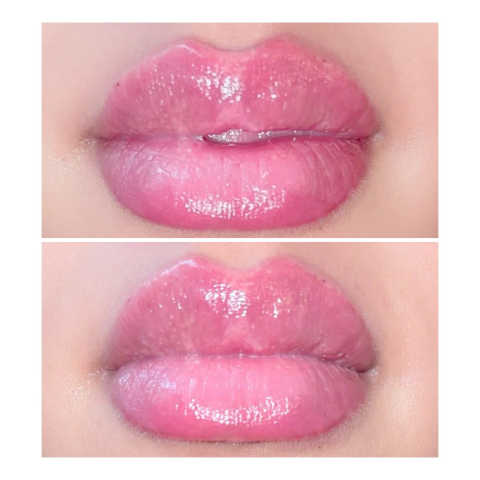
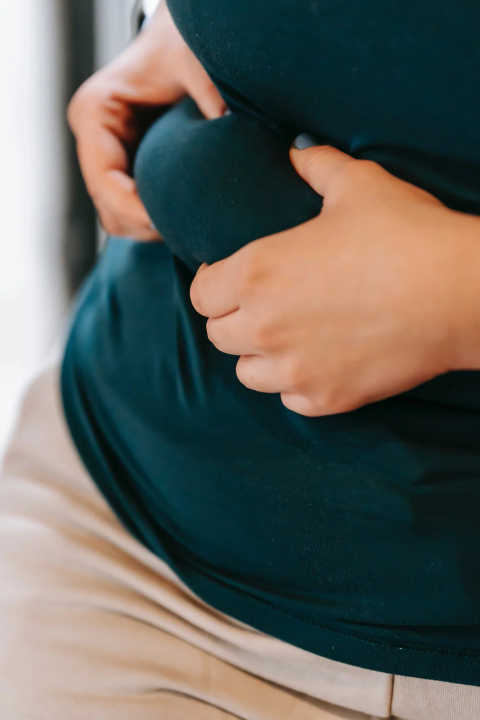
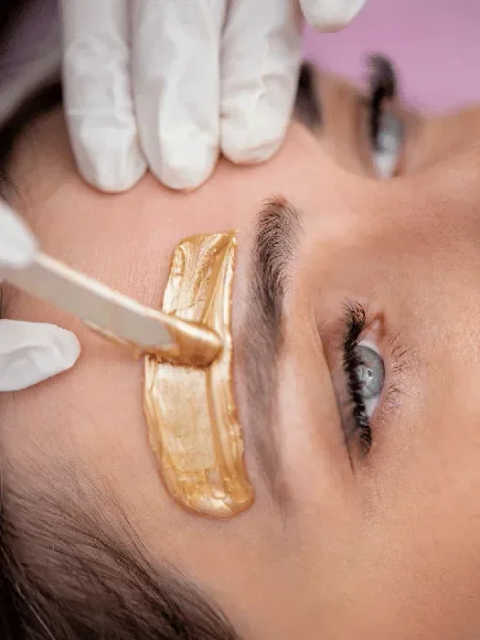
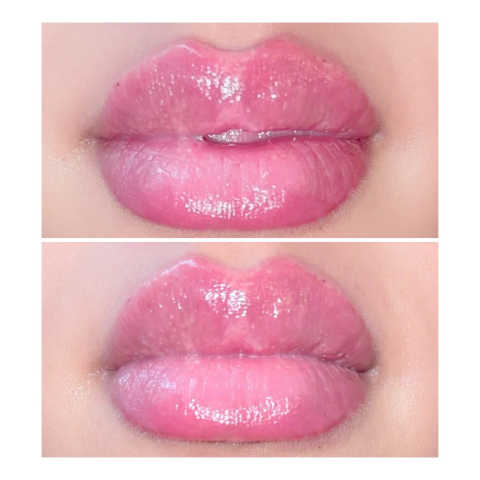
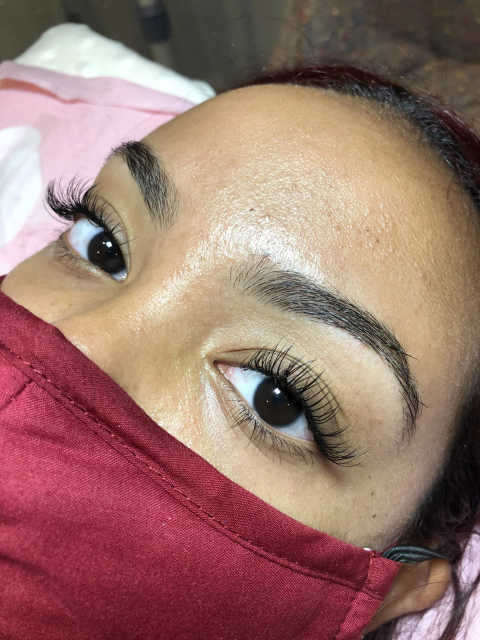
See examples of our Scar Camouflage (Small Area) work and results.
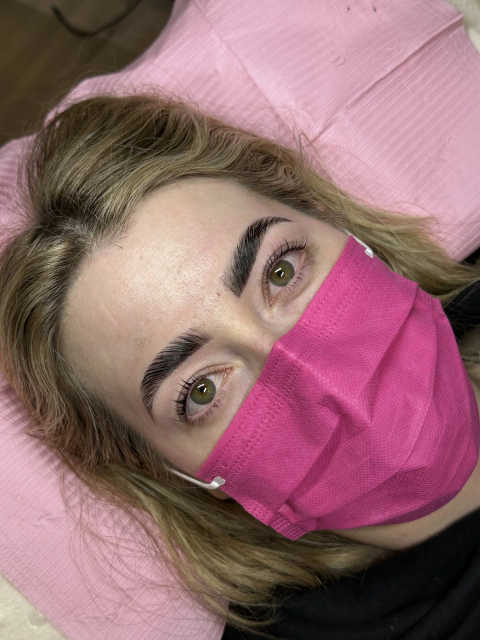

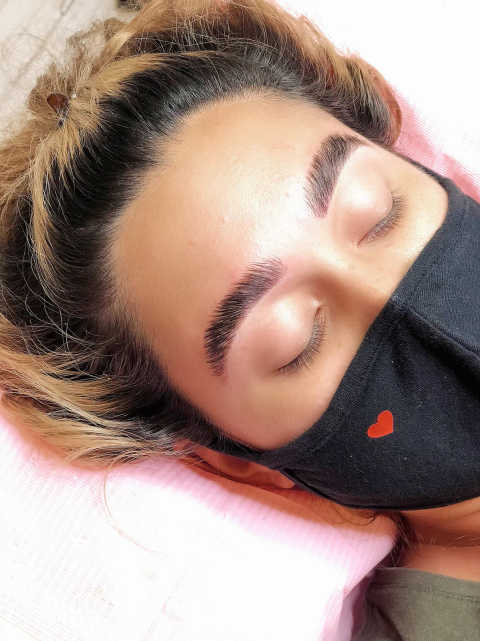
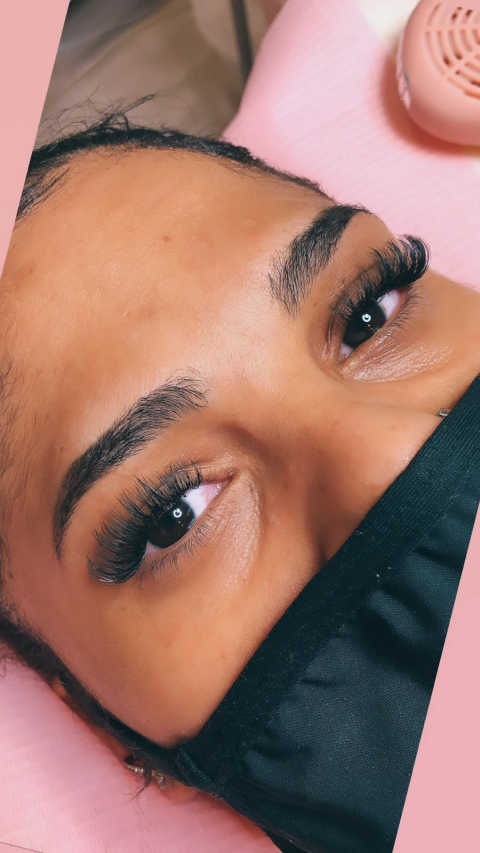
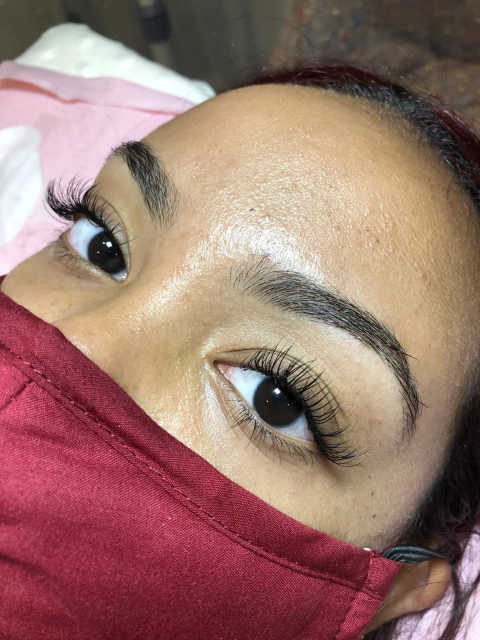
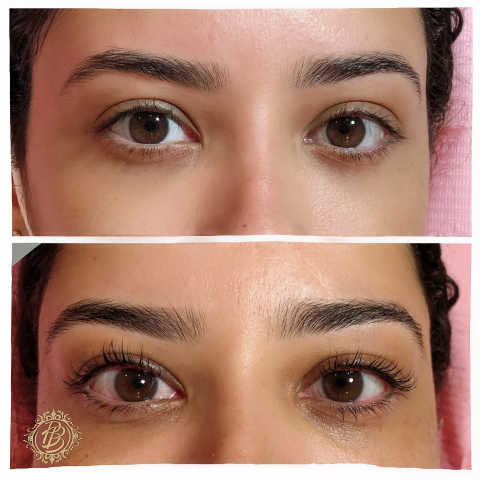
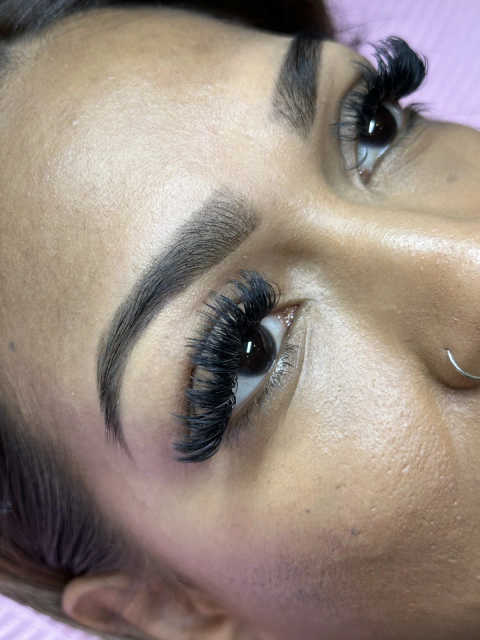
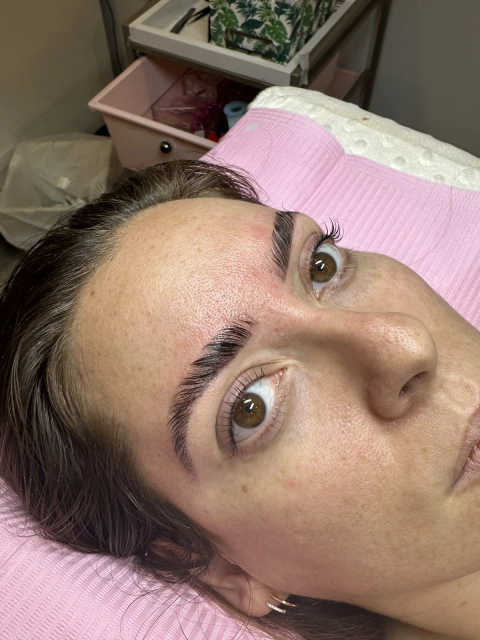
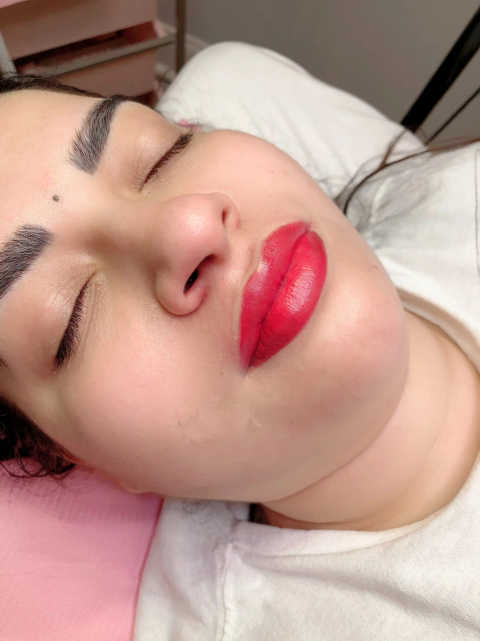
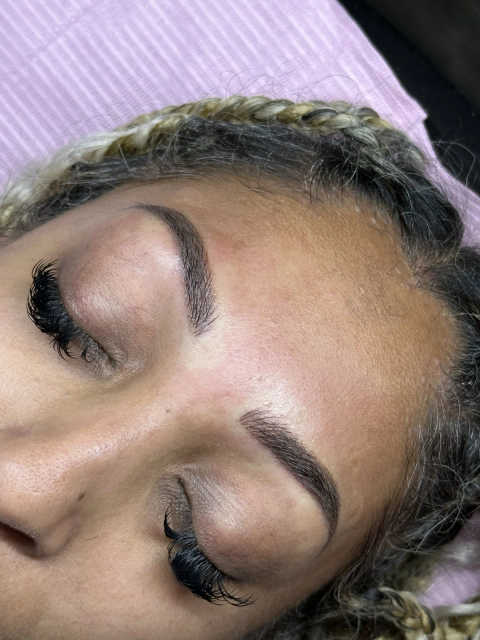
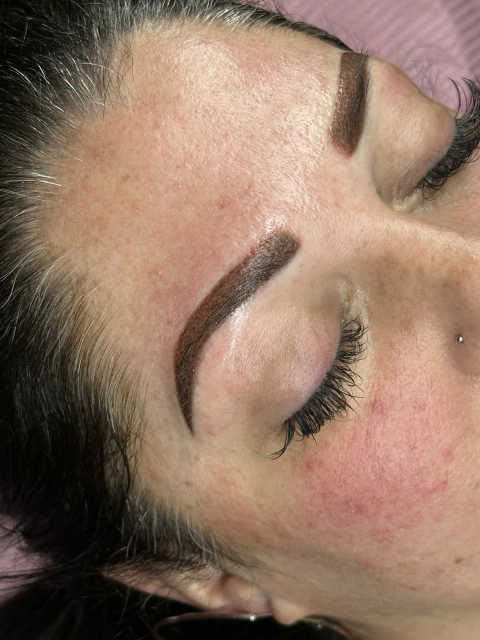
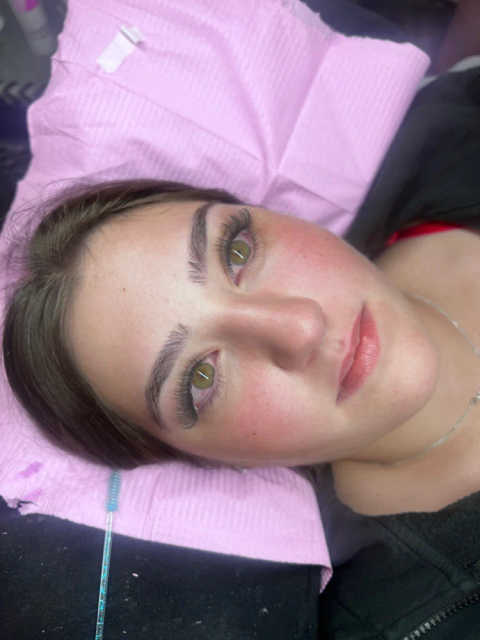
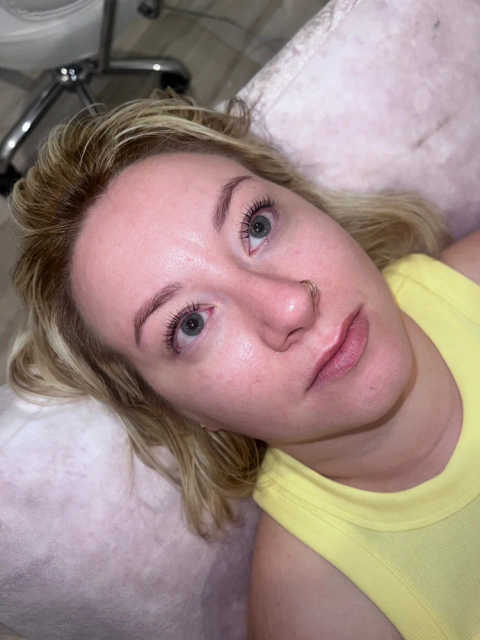




What Our Clients Say
$$MultiPurposeText$$
Read testimonials from our satisfied customers

Brows and beauty always exceeds my expectations. As a busy mom my schedule is always all o...more

Amazing studio and staff! Every single appointment feels personal, never rushed, and alway...more

I love love eliana ! She makes me feel like a queen and after having so many of my lashes ...more

Eliana and Des are phenomenal lash techs! I absolutely love going to my lash appointments!...more

I came here today to get my eyebrows waxed, I was very nervous that they would end up too ...more

Desiree is the best she is fast And efficient. She provide excellent customer service. My ...more

Frequently Asked Questions
Get answers to common questions about Scar Camouflage (Small Area).
Yes, most skin types can benefit, but we perform a consultation and patch test to assess pigment uptake and healing. Certain conditions or recent treatments may require adjustments or delay. Personalized planning ensures safe, flattering results for your skin tone and type.
Sessions typically last 30 to 60 minutes depending on scar size and complexity. Time includes consultation, color matching, and the procedure. Expect slightly longer first visits for detailed mapping and aftercare instructions to optimize healing and pigment retention.
Camouflage can significantly reduce visibility by blending color and texture, but it may not erase deep or raised scars entirely. Results vary by scar age, type, and skin. Multiple touch-ups can improve coverage and long-term appearance.
Most clients need one to three sessions to achieve optimal blending. The exact number depends on scar depth, skin response, and desired coverage. Sessions are spaced weeks apart to assess healing and pigment settling before scheduling additional treatment.
Most clients report mild discomfort similar to light scratching. Topical numbing is applied to increase comfort during the procedure. If you have low tolerance, additional anesthesia options are discussed during consultation to ensure a comfortable experience.
Recovery is typically quick: mild redness and scabbing may appear for a week. Follow aftercare to protect pigment and promote healing. Avoid sun exposure, abrasive skincare, and strenuous activities until fully healed to maximize results and prevent pigment loss.
Read more about Scar Camouflage (Small Area)
$$MultiPurposeText$$
Explore our latest insights and guides on Scar Camouflage (Small Area).
